


Items filtered by date: September 2026
Hiking Foot Blisters and Preventing Painful Skin Damage
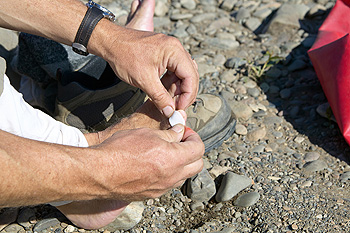
Foot blisters from hiking are fluid-filled pockets that form when repeated friction irritates the skin. They commonly appear on the heel, toes, or ball of the foot while walking. Symptoms include tenderness, redness, and a raised fluid-filled area. The first few days of hiking are important because your feet are adjusting to increased distance and footwear. Blisters often develop in the same spot when friction continues against vulnerable skin. Recognizing early irritation can help prevent a hiking blister from worsening.
Poorly fitting hiking boots can allow foot movement, while tight shoes can create pressure points. Moisture from sweat can soften the skin and increase friction. Rough socks, longer hikes, and sudden increases in mileage may also contribute. Uneven trails can cause your feet to slide inside footwear, creating repeated rubbing. A blister may recur because that area remains vulnerable to friction. Properly fitted boots can lower risk.
If a blister develops, protect the area and avoid popping it to avoid an infection. Keep the area clean and covered. A podiatrist can examine the blister, check for infection, and determine whether drainage is needed. If necessary, the podiatrist can clean the area using sterile techniques. The podiatrist may recommend padding or footwear changes to reduce friction while healing. Increasing redness, swelling, or pain should receive prompt attention.
Preventing hiking blisters starts before hitting the trail. Break in hiking boots gradually and watch for hot spots. Stop when you notice rubbing and adjust your footwear. Keep feet dry and use padding over blister-prone areas. Inspect your feet after hiking and allow irritated skin to recover. If you frequently have foot blisters from hiking, it is suggested that you consult a podiatrist for effective relief and prevention tips.
Blisters may appear as a single bubble or in a cluster. They can cause a lot of pain and may be filled with pus, blood, or watery serum. If your feet are hurting, contact One of our podiatrists of Foot and Ankle Medical Center. Our doctors can provide the care you need to keep you pain-free and on your feet.
Foot Blisters
Foot blisters are often the result of friction. This happens due to the constant rubbing from shoes, which can lead to pain.
What Are Foot Blisters?
A foot blister is a small fluid-filled pocket that forms on the upper-most layer of the skin. Blisters are filled with clear fluid and can lead to blood drainage or pus if the area becomes infected.
Symptoms
(Blister symptoms may vary depending on what is causing them)
- Bubble of skin filled with fluid
- Redness
- Moderate to severe pain
- Itching
Prevention & Treatment
In order to prevent blisters, you should be sure to wear comfortable shoes with socks that cushion your feet and absorb sweat. Breaking a blister open may increase your chances of developing an infection. However, if your blister breaks, you should wash the area with soap and water immediately and then apply a bandage to the affected area. If your blisters cause severe pain it is important that you call your podiatrist right away.
If you have any questions, please feel free to contact our offices located in New Port Richey and Spring Hill, FL . We offer the newest diagnostic and treatment technologies for all your foot care needs.
Reminder: When Was the Last Time...?

Custom orthotics, or shoe inserts, should be periodically replaced. Orthotics must fit properly to give you the best results. Protect your feet and ankles!
Types of Foot Deformities
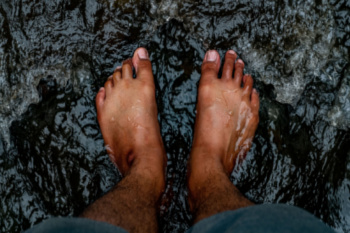
Foot deformities change the shape or alignment of the feet and can affect comfort, balance, and movement. Some people are born with them, while others develop them because of injuries, diseases, or wearing tight shoes. Genetics also plays an important role. Many feet have small differences that never cause symptoms. Others, however, become painful and make standing, walking, or fitting into shoes much harder. When foot bones, joints, and supporting tissues lose their normal position, pressure changes across the foot. This can lead to calluses, toe changes, and ongoing discomfort.
Several types of foot deformities affect daily life in different ways. Flat feet allow more of the sole to touch the ground, while high-arched feet place extra pressure on the ball of the foot. Splayfoot widens the front of the foot and increases stress across the forefoot. Bunions and hammertoes can also develop as the foot changes shape. Adults are more likely to notice pain, swelling, and difficulty walking when a deformity becomes more severe. Changes in foot alignment can also place extra stress on the knees, hips, and lower back. Some children appear to have flat or inward-leaning feet while they are growing, yet their feet reach a normal position as they mature.
A podiatrist carefully examines the feet to identify the type of deformity and determine how it affects movement. X-rays or other imaging tests help show changes in the bones and joints. Treatment includes custom orthotics that improve foot support, padding that reduces pressure, and recommendations for shoes that provide proper support. A podiatrist also monitors changes in the feet and explains whether surgery is the best choice for deformities that limit walking or cause lasting pain. Early evaluation helps protect foot function and improve comfort. If you have a painful or problematic foot deformity, it is suggested that you schedule an appointment with a podiatrist for a diagnosis and appropriate treatment.
Foot Pain
Foot pain can be extremely painful and debilitating. If you have a foot pain, consult with One of our podiatrists from Foot and Ankle Medical Center. Our doctors will assess your condition and provide you with quality foot and ankle treatment.
Causes
Foot pain is a very broad condition that could be caused by one or more ailments. The most common include:
- Bunions
- Hammertoes
- Plantar Fasciitis
- Bone Spurs
- Corns
- Tarsal Tunnel Syndrome
- Ingrown Toenails
- Arthritis (such as Gout, Rheumatoid, and Osteoarthritis)
- Flat Feet
- Injury (from stress fractures, broken toe, foot, ankle, Achilles tendon ruptures, and sprains)
- And more
Diagnosis
To figure out the cause of foot pain, podiatrists utilize several different methods. This can range from simple visual inspections and sensation tests to X-rays and MRI scans. Prior medical history, family medical history, and any recent physical traumatic events will all be taken into consideration for a proper diagnosis.
Treatment
Treatment depends upon the cause of the foot pain. Whether it is resting, staying off the foot, or having surgery; podiatrists have a number of treatment options available for foot pain.
If you have any questions, please feel free to contact our offices located in New Port Richey and Spring Hill, FL . We offer the newest diagnostic and treatment technologies for all your foot care needs.
